You ease into a parking lot, turn the wheel, and hear that sharp click-click-click from the front of the car. The steering still works and the car feels mostly normal, so it is tempting to ignore it for a while. That sound is usually your front end trying to get your attention before something more serious or expensive shows up.
Why Your Car Clicks When You Turn
Most turning noises come from parts that support the car's weight and allow the wheels to pivot. As those parts wear, they get loose, dry, or cracked, and the movement that used to be smooth starts to make noise. Turning the wheel shifts weight from side to side, which is why the sound shows up more in tight corners than in a straight line.
The type of noise and when it happens matter. A steady rhythmic clicking in a tight turn is very different from a single clunk over a bump or a groan at full lock. When we road test a car for a noise like this, we pay close attention to whether it happens only while moving, only under power, or even while turning the wheel at a standstill.
Axle and CV Joint Noises: The Classic Turn-Click
On many front wheel drive and all wheel drive cars, the most common cause of clicking in turns is a worn outer CV joint on a front axle. The CV joint lets the wheel receive power while it is turned, using a set of bearings and grooves that have to slide smoothly under load. As those parts wear or lose lubrication, they start to click when you turn, especially if you are on the throttle.
A classic sign is a rapid clicking or popping noise that gets faster as the car speeds up in a tight turn. It often shows up more when turning one direction than the other, which helps narrow down which axle is unhappy. Left alone long enough, a badly worn CV joint can eventually fail, which can leave you without drive to that wheel and may cause more damage around it.
When Ball Joints and Steering Parts Make Noise
Ball joints, tie rods, and other steering pieces can also click or clunk when turning. These parts hold the wheel in position and let it pivot as you steer. Once the joint surfaces or bushings wear out, they can start moving more than they should, and each shift in weight makes a noise you can hear and sometimes feel.
With ball joints and tie rods, the sound is often a single click or clunk as you start to move the wheel, go over a curb cut, or pull into a driveway at an angle. You might also notice the steering feels a little loose at the center, or the car wanders more than it used to. From our side, any steering component that is worn enough to make noise is worth checking quickly, as it directly affects how well you can control the car.
Other Causes of Clicking in Turns
Not every clicking sound is an axle or ball joint. Other problems can mimic those symptoms, which is why guessing at the cause does not always work out. We sometimes track clicking and popping in turns back to:
- Loose or worn brake hardware shifting as the wheel changes direction
- Wheel bearings starting to fail, especially if the noise also shows up in a straight line
- Strut mounts or spring seats that move suddenly when you steer
- Wheels or hubcaps that are not seated correctly and shift under load
This is where a proper inspection matters. The same noise from the driver’s seat can come from several different sources, and each one has its own level of urgency.
How to Tell If the Noise Is Getting Worse
Noises rarely stay the same forever. A light, occasional click in a tight turn can turn into a louder, more frequent sound that shows up at lower speeds and wider steering angles. If you start to feel the noise through the steering wheel or the floor, that usually means the wear has progressed.
Pay attention to changes over a few days. Does the clicking show up sooner in the turn than it used to? Is it happening in both left and right turns now instead of just one side? Do you feel vibration at highway speeds that were not there before? Those changes are all signs that the part responsible is moving from “worn” toward “ready to fail.”
What You Should Avoid When You Hear Clicking
Once you hear a clicking noise while turning, a few simple choices can keep things from getting worse in a hurry. Try to avoid hard, full-throttle launches in tight turns, since that puts the most stress on CV joints and axles. Go easy over steep driveway approaches and speed bumps so you are not hammering loose joints and mounts.
The bigger mistake is waiting until the car starts to pull, vibrate badly, or feel unstable before having it checked. By that point, you may be dealing with damage to more than one part. When we catch a worn axle, joint, or steering component early, repairs are usually more straightforward, and you get the car back feeling tight and quiet again.
Get a Steering and Suspension Inspection in Urbandale, IA with Premier Automotive Service
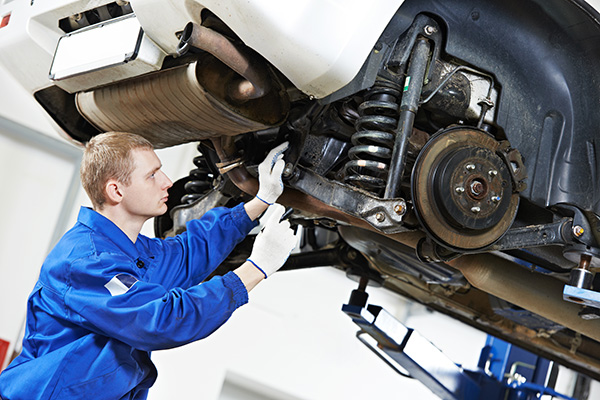
If your car clicks or pops when you turn, or the steering just feels less solid than it used to, this is the right time to let a technician take a look. We can road test the vehicle, inspect axles, ball joints, tie rods, and wheel bearings, and show you exactly what is causing the noise.
Schedule a steering and suspension inspection in Urbandale, IA with Premier Automotive Service, and we will help you get rid of that clicking and keep your car turning safely and smoothly.