Posted on 8/28/2026

An ABS light does not tell you which part failed. You might also see the traction control or stability control light, yet the brake pedal still feels completely normal during everyday driving. The real difference may not show up until the ABS needs to react to a wheel starting to lock. Wheel speed sensors and the ABS module work together, so a fault in either one can create similar warnings. We have to look at what information the module is receiving and how it responds before deciding which part is actually responsible. A Bad Wheel Speed Sensor Has a Recognizable Pattern Each wheel speed sensor reports how fast its wheel is turning. When one sensor starts failing, its reading may disappear, jump around, or disagree with the other three wheels. The problem can be steady or intermittent. A sensor might work normally when the vehicle first moves, then drops out at a certain speed. Another may act up only after hitting a bump or turning the steering wheel. Watching li ... read more
Posted on 7/31/2026

Whenever drivers ask us for a definitive timeline on vehicle maintenance, we can usually provide a pretty solid answer. If you ask about an oil change, we will tell you to look at the windshield sticker or target every five thousand to ten thousand miles depending on your engine type. If you ask about your engine air filter, a quick annual check usually does the trick. But when a customer asks us exactly how often their brake pads need to be replaced, the answer gets a bit more complex. The honest answer we give from the service counter is simple: it depends. Unlike components that run on a strict clock, brake pads are sacrificial wear items. They are designed to physically destroy themselves over time to protect your vehicle and bring your rolling mass to a safe, controlled stop. Let us pull back the wheels and take a realistic look at the numbers behind brake pad longevity, the factors that accelerate wear, and the warnings your vehicle sends when the rubber, or rather the friction ... read more
Posted on 6/26/2026
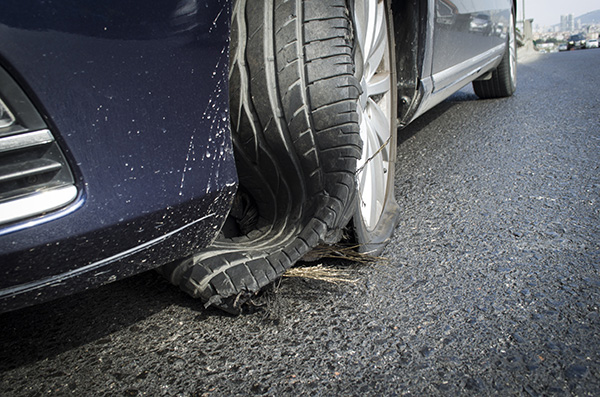
A tire blowout is one of those driving situations most people never want to experience, and for good reason. It can happen fast, it can be loud, and it can make the vehicle feel suddenly unstable. At our shop, we talk to a lot of drivers who assume blowouts happen out of nowhere, but that is not usually the full story. In many cases, there were warning signs before the tire failed. The problem is that those signs are easy to miss until the situation becomes serious. The good news is that tire blowouts are often preventable. A little attention to tire condition, air pressure, and vehicle maintenance can go a long way toward reducing the chances of a roadside emergency. And if a blowout does happen, knowing how to respond can make a big difference in keeping the situation under control. What A Tire Blowout Actually Is A tire blowout happens when a tire fails suddenly and loses air pressure rapidly. Sometimes this is caused by a puncture or impact, but often it is the ... read more
Posted on 5/29/2026
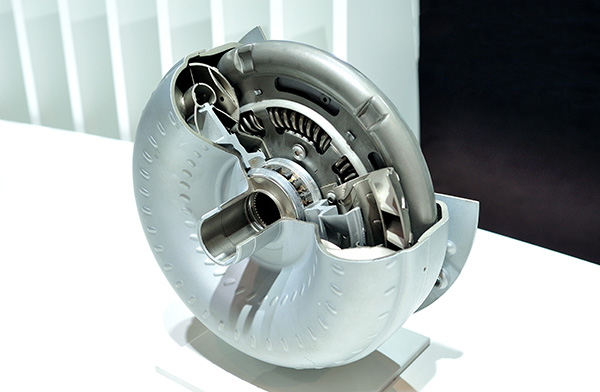
A torque converter is one of those parts most drivers never think about until the transmission starts acting strangely. The car hesitates from a stop, the RPM rises before the vehicle catches up, or there is a shudder at steady speed that feels like driving over rough pavement for a second. The torque converter is not the part that physically selects each gear. Its job is to transfer engine power into the automatic transmission and help the vehicle move from a stop without stalling. When it works correctly, gear changes feel controlled and natural. When it starts having problems, the whole transmission can feel confused. What The Torque Converter Actually Does In a manual transmission, the clutch connects and disconnects the engine from the transmission. In many automatic transmissions, the torque converter handles that job differently. It uses transmission fluid to transfer engine power into the transmission. Inside the converter are parts that move fluid in a co ... read more
Posted on 4/30/2026

When a warning light turns on or the car starts acting differently, most drivers want a quick answer. That is where engine diagnostics come in. The process sounds simple, but many people are not sure what information it actually provides or how accurate it is. Engine diagnostics can reveal a lot about what is happening under the hood. At the same time, it is not just about reading a code and replacing a part. There is more to it than that. Trouble Codes Point to a Starting Direction When a diagnostic scan is performed, the system pulls trouble codes stored in the vehicle’s computer. These codes identify which system is detecting an event outside normal operation. Each code points to a general area, such as fuel delivery, ignition, emissions, or airflow. It does not confirm the exact cause of the failure. It simply gives a direction for where to look next. Live Data Shows How the Engine Is Performing One of the most valuable parts of diagnos ... read more
Posted on 3/27/2026
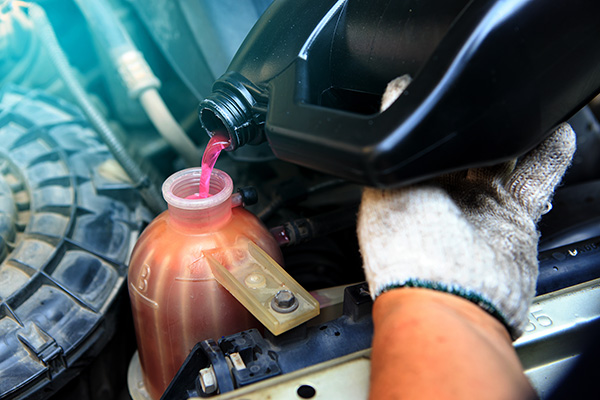
A coolant flush sounds simple, so a lot of drivers assume it is just another maintenance item shops recommend because the fluid looks old. The real reason is a lot more important than that. Coolant is one of the fluids that protects some of the most expensive parts on the vehicle, and when it breaks down, the damage starts quietly. By the time the cooling system feels like a problem, the repair is already much bigger than a flush. Coolant Does More Than Prevent Overheating Most people connect coolant with one job: keeping the engine from running hot. That is true, but it is only part of what the fluid does. Coolant also helps control corrosion, lubricates certain cooling system components, and protects the passages inside the engine, radiator, heater core, and hoses from buildup. Once the fluid gets old, that protection fades. The car may still drive normally for a while, but the cooling system is no longer being protected the way it should be. That is usually when ... read more
Posted on 2/27/2026

A chirping noise under the hood can sound small, but it usually means something is rubbing, slipping, or spinning rough. It might happen only on cold starts, only at idle, or only when you turn the steering wheel. Those patterns matter because different parts chirp for different reasons. The good news is that most chirps are caused by a short list of components, and catching it early can prevent a bigger breakdown. What A Chirp Usually Means A chirp is often a friction noise. It can come from a belt slipping across a pulley, a pulley bearing starting to dry out, or something lightly touching as the engine vibrates. Unlike a deep knock or a loud grind, a chirp tends to repeat in a steady rhythm, which makes it feel like a bird living in your engine bay. The challenge is that sound travels. A chirp from a belt pulley can echo off the engine cover and make it seem like it is coming from somewhere else. That is why describing when it chirps is more helpful than trying t ... read more
Posted on 1/30/2026
%20copy.jpg)
Power windows usually fail at the most inconvenient moment. It might be a drive-thru, a rainy parking lot, or the exact day you have to pass the state inspection. You hit the switch again, then again, and you start listening for any tiny sound from inside the door. The frustrating part is that the same symptom can come from very different causes. The good news is that power window failures tend to follow predictable patterns, and those patterns can point you in the right direction fast. What the Symptoms Can Tell You Before Repairs Start Before you assume the motor is dead, it helps to notice what the window does when you press the switch. Those little details matter because the power window system is a chain of switches, wiring, motors, and regulators. Here are a few quick symptom clues that often narrow it down: No sound at all, and no movement A click from the switch area, but nothing happens A faint hum inside the door, but the glass stays put The glass mov ... read more