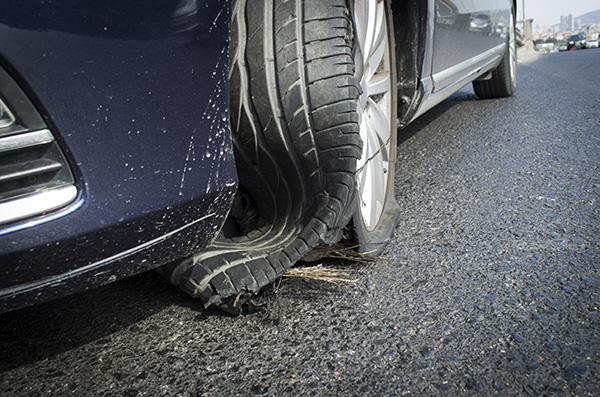
A tire blowout is one of those driving situations most people never want to experience, and for good reason. It can happen fast, it can be loud, and it can make the vehicle feel suddenly unstable. At our shop, we talk to a lot of drivers who assume blowouts happen out of nowhere, but that is not usually the full story. In many cases, there were warning signs before the tire failed. The problem is that those signs are easy to miss until the situation becomes serious.
The good news is that tire blowouts are often preventable. A little attention to tire condition, air pressure, and vehicle maintenance can go a long way toward reducing the chances of a roadside emergency. And if a blowout does happen, knowing how to respond can make a big difference in keeping the situation under control.
What A Tire Blowout Actually Is
A tire blowout happens when a tire fails suddenly and loses air pressure rapidly. Sometimes this is caused by a puncture or impact, but often it is the result of heat, underinflation, structural weakness, or damage that has built up over time. A blowout does not always mean the tire literally explodes the way people imagine, but it does mean the tire can no longer safely support the vehicle.
When a blowout happens, the tire may shred, separate, or collapse quickly. That can make the vehicle pull to one side, feel unstable, or become much harder to control, especially at highway speeds. This is why blowouts get so much attention. They are not just a flat tire with bad timing. They are a sudden loss of a tire’s ability to do its job while the vehicle is in motion.
Why Blowouts Happen
Most blowouts are not random bad luck. They usually come from a combination of stress and neglect, even if the driver did not realize there was a problem building.
One of the biggest causes is underinflation. When a tire is low on air, it flexes more than it should as it rolls. That extra flex creates heat. Heat is hard on tires, and once enough of it builds up, the tire becomes much more vulnerable to failure. This is one reason a tire that only looks “a little low” can still be a serious problem on a long drive.
Road hazards matter too. Hitting a pothole, curb, or debris in the road can damage the internal structure of the tire even if it does not go flat right away. That weakened area may hold for a while and then fail later under load or heat.
Age also plays a role. Tires wear down, rubber dries out, and internal materials weaken over time. A tire with low tread, sidewall cracking, or old age is simply more at risk than a healthy one.
Heat Makes Everything Worse
Summer is one of the worst times for blowouts because heat adds stress to every tire on the road. Hot pavement, long highway speeds, heavy cargo loads, and underinflation all work together in the wrong direction. A tire that might limp through short local driving can fail much more easily on a hot road trip.
That is why we always tell customers not to think of tire health as a winter-only issue. Summer driving can be brutal on tires, especially if they are already worn or neglected.
How To Prevent A Tire Blowout
The best blowout prevention is not complicated, but it does require consistency. A few simple habits can dramatically lower your risk.
The most important things you can do are:
- Check tire pressure regularly when the tires are cold
- Keep tires inflated to the manufacturer’s recommended pressure
- Inspect for cracks, bulges, uneven wear, and embedded objects
- Replace tires before tread gets too low or age becomes a factor
- Avoid overloading the vehicle
- Get alignment and suspension issues corrected if tires are wearing unevenly
That first point matters more than people think. A lot of drivers wait until a tire looks visibly low, but by then it may already be far below where it should be. Proper inflation helps the tire maintain its shape, carry the load correctly, and manage heat better.
Do Not Ignore Uneven Wear Or Sidewall Damage
Tread depth gets a lot of attention, but sidewall condition matters too. If you see bulges, cuts, or cracks in the sidewall, that tire deserves immediate attention. A bulge, in particular, can mean internal damage, and that is not something to gamble with.
Uneven tread wear is another warning sign. If one edge is wearing faster than the rest, or one tire looks dramatically different from the others, there may be an alignment or suspension problem contributing to extra stress. In those cases, simply replacing the tire without addressing the cause may not solve the real issue.
From our perspective, tires should always be looked at as part of the bigger picture. Pressure, tread, age, alignment, and load all matter together.
Road Trip Tire Prep Matters
Blowouts are especially frustrating during travel because they often happen when the car is loaded down and moving at higher speeds for longer periods of time. Before a road trip, it is worth doing more than a quick visual glance.
Take the time to check pressure, look at tread depth, inspect for damage, and make sure the spare tire is usable. A lot of drivers forget about the spare until they need it, and that is the worst possible time to find out it is flat or missing tools.
What To Do If A Blowout Happens While Driving
Even with good maintenance, roadside emergencies can still happen. If a tire blows out while you are driving, the most important thing is to stay as calm as possible. Panic is what tends to make the situation worse.
If a blowout happens:
- Keep a firm grip on the steering wheel
- Do not slam on the brakes
- Ease off the accelerator gradually
- Let the vehicle slow down in a controlled way
- Steer smoothly toward a safe place off the road
- Once stopped, turn on your hazard lights
The instinct to brake hard is very strong, but sudden braking can make the vehicle harder to control, especially at highway speeds. The safer move is usually to let the car slow down gradually while maintaining direction.
Once you are safely stopped, do not keep driving on the damaged tire unless it is absolutely necessary to get out of immediate danger. Driving on a blown tire can damage the wheel and make the repair situation worse.
After You Pull Over
Once the vehicle is safely off the road, take a moment to assess the situation. If you are in a dangerous location, such as a narrow shoulder or heavy traffic area, it may be safer to call roadside assistance than to try changing the tire yourself.
If you do have a safe location and the tools and spare are ready, you can put on the spare tire if you know how. If not, getting professional help is the better move. There is no prize for changing a tire in an unsafe spot.
A Blowout Usually Means There Was A Story Before The Failure
This is one of the biggest reasons we encourage drivers to take tire maintenance seriously. Blowouts often seem sudden, but usually the tire had been sending signals first. Maybe it was underinflated. Maybe it had a bulge. Maybe the tread was getting too low. Maybe the tire was old. The final failure may happen suddenly, but the conditions leading to it usually build up over time.
If you want help making sure your tires are safe before your next trip, we invite you to bring your vehicle to Premier Automotive Service in Urbandale, IA. We can inspect tread depth, tire pressure, age, wear patterns, and overall condition to help reduce the risk of a blowout before it happens.
Call us today or stop by for a tire inspection.