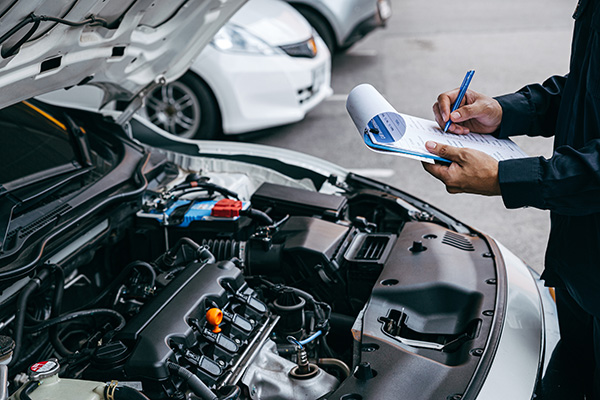
A chirping noise under the hood can sound small, but it usually means something is rubbing, slipping, or spinning rough. It might happen only on cold starts, only at idle, or only when you turn the steering wheel. Those patterns matter because different parts chirp for different reasons. The good news is that most chirps are caused by a short list of components, and catching it early can prevent a bigger breakdown.
What A Chirp Usually Means
A chirp is often a friction noise. It can come from a belt slipping across a pulley, a pulley bearing starting to dry out, or something lightly touching as the engine vibrates. Unlike a deep knock or a loud grind, a chirp tends to repeat in a steady rhythm, which makes it feel like a bird living in your engine bay.
The challenge is that sound travels. A chirp from a belt pulley can echo off the engine cover and make it seem like it is coming from somewhere else. That is why describing when it chirps is more helpful than trying to guess exactly which part it is.
Serpentine Belt Slip And Glazing
The serpentine belt is the number one chirp source. If the belt is glazed, cracked, or contaminated with oil or coolant, it can slip slightly and chirp as it passes over a pulley. This is common on cold mornings when the belt is stiff and traction is lower.
A belt can also chirp if it is slightly misaligned. A pulley that is a hair off-angle, or a belt that is not tracking perfectly, can create a repetitive chirp that changes with RPM. If the chirp gets louder when you turn on the A/C or switch on heavy electrical loads, that suggests the belt is slipping more under extra demand.
Tensioner And Idler Pulley Bearings
Even if the belt looks fine, the pulleys it rides on can chirp. Tensioner and idler pulleys spin constantly, and their bearings wear over time. When a bearing starts to dry out or develop play, it can chirp at idle and then change pitch as the engine revs.
A failing pulley bearing can also wobble, which causes belt tracking issues and can wear the belt faster. If you ignore it long enough, the bearing can seize. That can throw the belt or shred it, and then you are dealing with a bigger problem than a simple chirp.
Accessory Bearings That Chirp Under Load
Accessories like the alternator, A/C compressor, and power steering pump can chirp too, especially if a bearing is starting to fail. A clue here is whether the noise changes when you use the accessory. If the chirp gets worse when the A/C is on, the compressor clutch or pulley may be involved. If it changes when you turn the steering wheel at idle, the power steering pump load may be bringing the noise out.
Another clue is whether the chirp comes and goes with engine temperature. Some bearings are noisier when cold and quiet down as grease warms, while others do the opposite and get louder as they heat up. Keeping track of that pattern helps point to the right component sooner.
Vacuum Leaks And Small Exhaust Ticks That Sound Similar
Sometimes what people describe as a chirp is actually an air leak. A small vacuum leak can make a quick chirp or squeak as air whistles past a gasket or a cracked hose. These noises are often most noticeable at idle and may lessen if you raise RPM slightly.
A small exhaust leak near the front can also make a tick-chirp sound, especially on cold starts. It can be mistaken for a belt noise because it is sharp and rhythmic. If you smell exhaust under the hood or the noise is loudest right after startup, that possibility is worth considering.
Quick Observations That Help Narrow It Down
You do not need tools to gather useful clues. Start by noting when it happens and what changes it. Does it chirp only at idle, or does it follow engine speed? Does it change when you turn the wheel, switch the A/C on, or rev lightly? Does it go away once the engine warms up?
Pay attention to smell and visual hints. A belt that has been slipping can leave a hot rubber smell. A belt that is contaminated might look shiny or damp. These are the kinds of small details that make an inspection faster and more accurate. Folding belt checks into regular maintenance is one of the easiest ways to catch chirps before they become a no-start or an overheat situation.
Why It Is Smart To Handle It Early
A chirp is often an early warning, not a final stage. A worn belt or pulley bearing can fail suddenly and leave you stranded. On many vehicles, losing the belt means losing charging, cooling, and sometimes steering assist, depending on the setup.
Fixing it early usually means replacing a belt, a pulley, or a tensioner before anything else is damaged. Waiting can turn it into a shredded belt, overheated engine, or a tow that costs more than the repair would have.
Get Belt And Pulley Noise Repair In Urbandale, IA, With Premier Automotive Service
If you’re hearing a chirping noise under the hood, the next step is to book service so the belt drive and rotating components can be checked and repaired before the problem escalates.
Schedule service with Premier Automotive Service in Urbandale, IA, to eliminate the noise, restore reliability, and keep a small warning sound from turning into a breakdown.