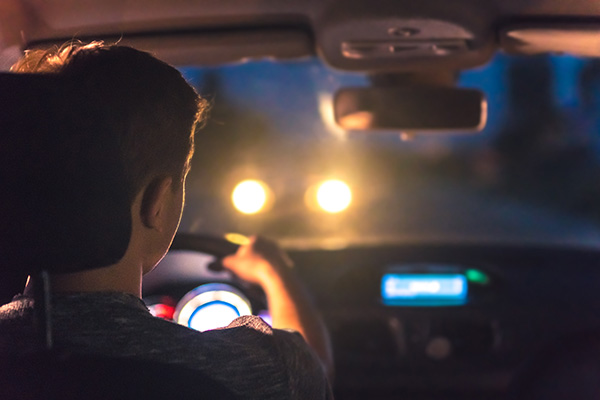
The wipers clear the rain, but every approaching headlight still spreads into a hazy glow. You clean the outside glass at the next stop, and the blur stays.
Check the inside. A thin film there is easy to overlook in daylight and much harder to ignore after dark. Streetlights, low sun, and oncoming headlights reveal the residue by scattering light across it.
How an Inside Windshield Film Builds Up
Cabin dust and airborne residue settle on the glass. Fingerprints add oily marks, while smoke or vaping residue creates another coating where those activities occur. A windshield can develop a visible haze even if nobody has touched most of it.
Warm air, cooling glass, and moisture make that coating more noticeable. You might see it first where condensation forms or along the lower corners that are awkward to reach. Cleaning only the clear patch directly ahead leaves the rest of the view coated, including the area you look through when turning.
Why Windshield Film Looks Worse at Night
At night, a bright point of light against a darker scene makes scattering easier to see. The residue spreads that light over a larger area, reducing the contrast of road markings and objects beyond the glass. Brighter headlights don't remove the film. Start with the surfaces you're looking through before spending money on different bulbs. Park somewhere safe, clean both sides, and check the result in lighting that reveals remaining streaks. That simple comparison separates a cleaning problem from other visibility concerns.
Clean the Inside Windshield While Parked
Use a product approved for the glass and any tint or film fitted to it. Read the vehicle and product instructions; a cleaner suited to bare glass isn't automatically right for an applied coating. Work with clean cloths that won't leave lint.
Apply cleaner to the cloth as directed, keeping overspray away from the dashboard, cameras, and electronics. Wipe the whole area, then use another clean cloth to remove remaining residue. Dirty fabric spreads the same oily film back across the surface. If the cloth begins smearing, change it.
Windshield Areas Drivers Commonly Miss
Look closely at these places:
- The lower edge above the dashboard
- Corners beside the windshield pillars
- Glass around the rearview mirror
- The passenger side of the windshield
- Edges of the area cleaned during defogging
Reach those areas only while parked. Avoid pulling on camera covers, mirror mounts, or wiring to gain room. Where the car has interior sensors or cameras near the glass, follow the cleaning instructions and keep their covers undisturbed.
Condensation Makes Dirty Glass Harder to See Through
Moist cabin air leaves condensation when it meets cold glass. With film underneath, the view becomes a mix of droplets and residue. Wiping a quick hole through it with a sleeve often adds another smear. Use the defroster as described in the owner's manual. Fresh outside air and air conditioning, when operating conditions permit, help remove moisture. If fog keeps returning despite the correct settings, we'd check for wet carpet, water leaks, restricted airflow, or a heater-core concern when coolant loss and a sweet smell accompany it. A cleaning appointment won't repair water entering the cabin.
Check the Outside Glass and Wipers Too
A clean interior still needs a clear view outside. Worn wipers leave streaks, and road film sometimes remains even after a pass with the washers. Check blade contact, washer coverage, and the condition of the glass.
A chipped, heavily pitted, or scratched windshield scatters light for a different reason. Repeated cleaning won't remove damage within the surface. Tell us whether the glare remains in one area after both sides are clean. That helps decide whether the next check concerns the glass, wipers, or lighting.
A Defroster With Weak Airflow Needs Checking
If the blower sounds loud but little air reaches the windshield, describe that difference. We'd check the cabin filter and outside intake for restrictions, then look at blower output and air-door movement based on what we find.
Around Urbandale, wet clothing and damp mats add moisture during colder travel. Drying the interior reduces that load, while a working defroster moves air where it is needed. If one part of the windshield stays fogged while another clears, mention that pattern instead of simply saying the heat doesn't work.
Build a Windshield Check Into Your Evening Routine
Before a night drive, clean the glass, set mirrors while parked, and confirm the washers work. Use the mirror's night setting or automatic dimming function where fitted to reduce glare from vehicles behind. Keep the headlights correctly aimed so the car lights the road without directing excess glare toward other drivers.
If the view becomes too poor to drive safely, stop in a separated location. Trying to see through a small clear patch leaves pedestrians and turning traffic hidden around it. The goal is a full view before you resume, not just enough glass cleared to keep moving.
Wiper and Defroster Service at Premier Automotive Service
Premier Automotive Service in Urbandale, IA, can check weak windshield airflow, worn wipers, and washer or lighting problems that remain after the glass is cleaned. Describe when the glare or fog appears and what you've already tried.
Call Premier Automotive Service to arrange wiper or defroster service for your vehicle.